
By Kriti Gupta
Testing AI in Financial Modelling
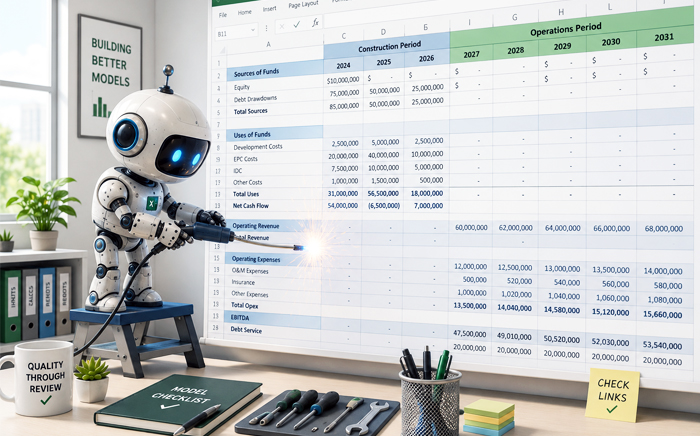
🤖 We asked AI to build a wind energy financial model. Not a toy model.
A complete project finance model with timelines, revenues, financing, statements, returns, and dashboards.
The goal was simple:
Can AI independently build an investment-grade financial model?
At first glance, the result was impressive. The model looked complete.
It looked like days of work completed in minutes.
🔍 Then we started reviewing it. On the surface, nothing looked broken.
But when we looked deeper, small problems started appearing.
⚠️ Then bigger issues surfaced.
None of these stopped the model from running.
That was the problem.
Because financial models rarely fail loudly.
Most fail quietly.
The workbook still calculated outputs.
The IRRs still worked.
The charts still moved.
But underneath, small structural weaknesses were accumulating.
And in project finance, small weaknesses rarely stay small.
📉 They turn into:
So does AI replace financial modelers?
No.
AI did several things exceptionally well:
But investment-grade modeling requires more than structure.
- It requires judgment.
- Commercial understanding.
- Project finance experience.
- Independent challenge.
💡 The conclusion from this exercise is simple:
AI accelerates model building.
But Human expertise validates whether the model can be trusted.
Because in project finance, the biggest risks do not always come from broken models.
They come from models that appear to work perfectly.
That is where independent model review matters not only to identify errors, but to ensure the model is actually telling the truth.
📥 Download files used here:
AI Created Model:
 Wind_Energy_AI_Financial_Model.xlsx
Our Findings List:
Review Findings_Project Wind_Energy_AI.xlsx
A complete project finance model with timelines, revenues, financing, statements, returns, and dashboards.
The goal was simple:
Can AI independently build an investment-grade financial model?
At first glance, the result was impressive. The model looked complete.
- Assumptions tab created
- Financial statements linked
- Debt schedules built
- Returns calculated
- Dashboard outputs generated
It looked like days of work completed in minutes.
🔍 Then we started reviewing it. On the surface, nothing looked broken.
- No visible Excel errors
- No circular references
- Model outputs generated correctly
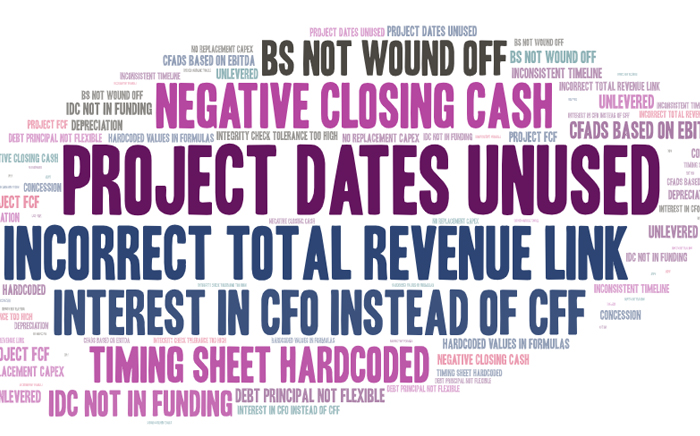
But when we looked deeper, small problems started appearing.
- Project dates were not fully driving timelines
- Timeline logic relied heavily on hardcoding
- Formula consistency varied across sections
- Revenue calculations had incorrect linkages
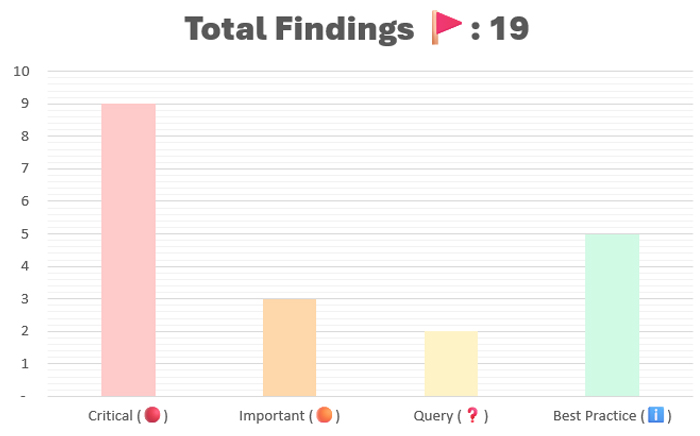
- Negative cash balances appeared in outputs
⚠️ Then bigger issues surfaced.
- IDC treatment was incomplete
- CFADS logic relied too heavily on EBITDA
- Debt calculations lacked flexibility
- Balance sheet winding-off issues remained unresolved
None of these stopped the model from running.
That was the problem.
Because financial models rarely fail loudly.
Most fail quietly.
The workbook still calculated outputs.
The IRRs still worked.
The charts still moved.
But underneath, small structural weaknesses were accumulating.
And in project finance, small weaknesses rarely stay small.
📉 They turn into:
- Incorrect debt sizing
- Misstated project returns
- Wrong valuation outputs
- Reduced lender confidence
- Poor investment decisions
So does AI replace financial modelers?
No.
AI did several things exceptionally well:
- Created structure quickly
- Reduced blank-sheet effort
- Accelerated first draft development
But investment-grade modeling requires more than structure.
- It requires judgment.
- Commercial understanding.
- Project finance experience.
- Independent challenge.
💡 The conclusion from this exercise is simple:
AI accelerates model building.
But Human expertise validates whether the model can be trusted.
Because in project finance, the biggest risks do not always come from broken models.
They come from models that appear to work perfectly.
That is where independent model review matters not only to identify errors, but to ensure the model is actually telling the truth.
📥 Download files used here:
AI Created Model:
Wind_Energy_AI_Financial_Model.xlsxOur Findings List:
Review Findings_Project Wind_Energy_AI.xlsx





Akanchha Kushwaha
AI capability is increasing every day, however human element will always be there